AI-Powered Threat Detection for Small Businesses: Staying Ahead of Cybercriminals in 2026
Cybercriminals are no longer just armed with malware and phishing emails — they’re using artificial intelligence to plan attacks, craft convincing lures, and evade traditional security tools faster than ever. According to recent 2026 threat intelligence reports, 73% of organizations already feel the impact of AI-powered threats, and small businesses are disproportionately at risk. They have the data, the customers, and the payment systems — but rarely the in-house security teams to fight back.
For NYC Metro small businesses, the question is no longer if you need advanced threat detection, but how quickly you can deploy it. AI-powered threat detection is no longer a luxury reserved for Fortune 500 companies. It’s become the single most effective defense layer available to businesses of any size — and here’s why that matters right now.
What Is AI-Powered Threat Detection?
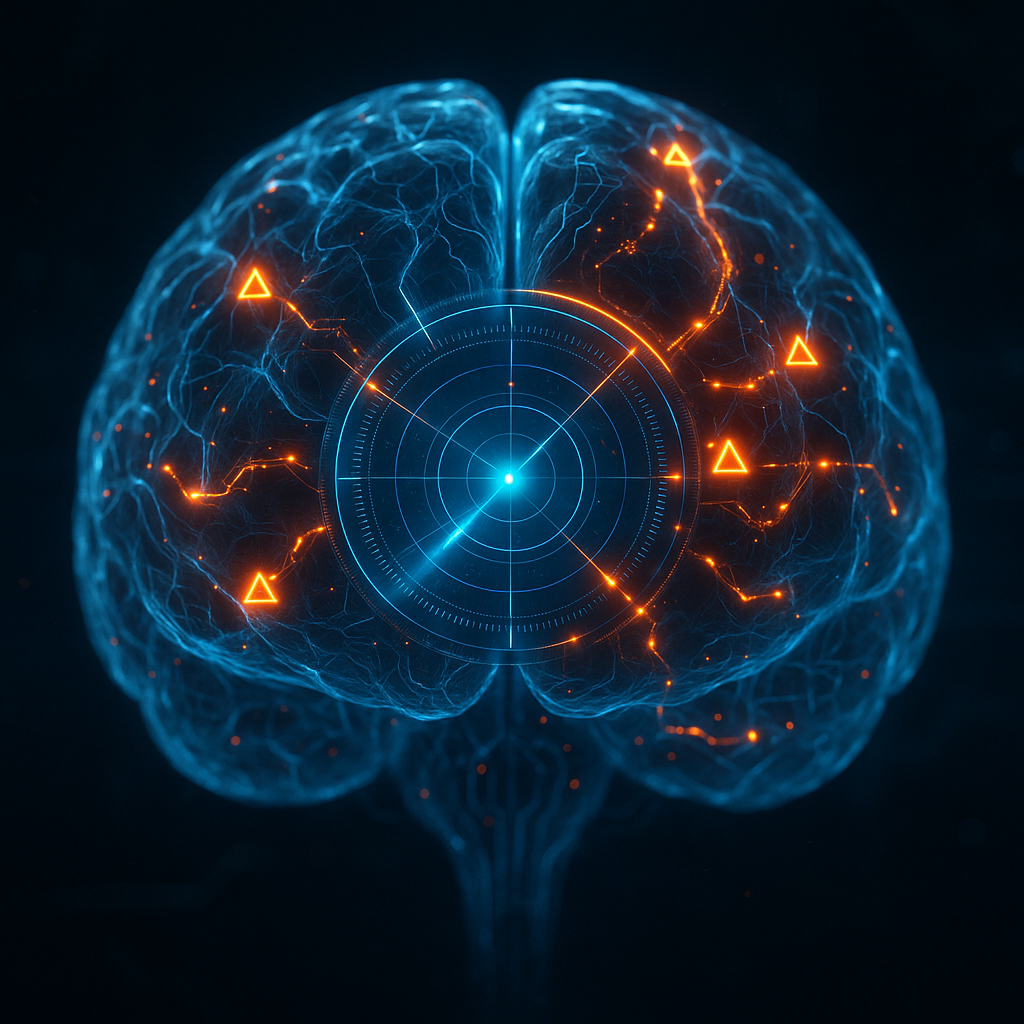
AI-powered threat detection uses machine learning algorithms, behavioral analytics, and real-time data correlation to identify cyber threats that traditional signature-based tools miss. Instead of waiting for a known malware signature to match, AI systems learn what “normal” looks like for your business — typical login patterns, file access rhythms, network traffic baselines — and flag deviations instantly.
Think of it like a security guard who knows every employee, recognizes unusual behavior at a glance, and can alert you before a break-in happens. Traditional antivirus is more like a metal detector at the door — great for known threats, but useless against something it hasn’t seen before.
Modern AI threat detection platforms combine signals from endpoints, cloud services, identity systems, and network traffic to build a unified view of your environment. When a slight anomaly appears — say, an employee account accessing files at 3 AM from an unfamiliar country — the system correlates that with other indicators and escalates it automatically. No human analyst needed for the initial triage.
Why Small Businesses Are the #1 Target in 2026
Here’s a uncomfortable truth: small businesses account for over 43% of all cyberattacks, yet most spend less than 5% of their cybersecurity budget on detection and response. Cybercriminals know this. AI tools now let attackers scan hundreds of small business networks in minutes, identifying vulnerabilities that go unpatched for months.
The 2026 IBM X-Force Threat Intelligence Index found that cybercriminals are exploiting basic security gaps at dramatically higher rates, accelerated by AI tools that help attackers identify weaknesses faster than ever. For a small business in Staten Island, Manhattan, or anywhere in the NYC Metro area, that means:
- Phishing attacks are smarter — AI-generated emails are indistinguishable from legitimate communications, targeting your finance team with realistic invoice fraud schemes
- Ransomware is faster — attackers use AI to map your network and encrypt critical systems in minutes, not hours
- Supply chain attacks are rising — hackers target your vendors and service providers to reach you through trusted connections
- Brute-force attacks are automated — AI bots try thousands of credential combinations per second, making weak passwords obsolete
Small businesses don’t just get attacked — they get sought out. Your IT provider may be the first line of defense, but AI-powered detection is the layer that catches what manual monitoring misses.
How AI Threat Detection Actually Works for Your Business
Let’s demystify the technology. Here’s what happens behind the scenes when an AI threat detection system protects your business:
1. Continuous Baseline Learning
The system observes your normal operations for a short period — user login times, typical data access patterns, routine network communications. It builds a behavioral profile for each user, device, and application. This typically takes just a few days to calibrate.
2. Real-Time Anomaly Detection
Every action across your environment is continuously compared against the baseline. A file server that normally sees 200MB of traffic per hour suddenly transmitting 5GB triggers an immediate alert. An accountant accessing the HR database at midnight sets off a behavioral red flag.
3. Automated Response & Escalation
When a threat is confirmed, AI systems can automatically isolate the affected device, revoke compromised credentials, or block suspicious IP addresses — all within seconds. For small businesses without a 24/7 SOC team, this automated response is often the difference between a minor incident and a full-scale breach.
4. Predictive Threat Intelligence
Advanced AI platforms cross-reference your environment against global threat feeds. If a new zero-day vulnerability is discovered affecting a software you use, your system alerts you before attackers exploit it — giving your IT team time to patch or mitigate.
Signs Your Small Business Needs AI Threat Detection Now
You might already be a target without knowing it. Watch for these indicators:
- Unusual network activity — slow internet, unexpected outbound traffic, or devices that seem “busy” when they should be idle
- Employee reports of suspicious emails — increasingly sophisticated phishing makes this the #1 early warning signal
- Multiple failed login attempts — especially on admin or financial accounts
- Unexplained data changes or missing files — could indicate unauthorized access or early-stage ransomware
- New software or processes you didn’t authorize — attackers sometimes install their own tools for persistent access
If any of these sound familiar, you’re operating in a gray zone between “probably fine” and “actively under siege.” AI threat detection turns that uncertainty into visibility.
Choosing the Right AI Detection Solution for Your NYC Business
Not all AI security tools are created equal. When evaluating solutions for your small business, consider these factors:
- Integration with your existing IT stack — the best detection system is useless if it can’t see your endpoints, email, cloud apps, and network simultaneously
- Managed service vs. DIY — for most small businesses, a managed IT provider deploying and monitoring the AI detection platform delivers far better results than trying to manage it in-house
- Response capabilities — detection is only half the equation. Can the system automatically respond, or does it just send alerts that someone needs to check during business hours?
- Compliance alignment — if you handle healthcare data, payment cards, or client records, ensure your detection solution supports HIPAA, PCI DSS, and other relevant compliance requirements
The Bottom Line: AI vs. AI
Cybercriminals are already using artificial intelligence to find and exploit weaknesses in small business defenses. The only effective countermeasure is to deploy AI-powered threat detection on your side. It’s not about buying the most expensive tool — it’s about having a system that learns, adapts, and responds faster than the attackers can adapt to it.
For small businesses in the NYC Metro area, partnering with a managed IT provider who specializes in AI-powered security gives you enterprise-grade protection at a small business budget. You get 24/7 monitoring, automated threat response, and expert analysts interpreting the data — so you can focus on running your business while your technology protects it.
Ready to protect your business with AI-powered threat detection? Contact MicroSky Managed Services today for a free cybersecurity assessment. We serve small businesses across the NYC Metro area — from Staten Island to Manhattan to Long Island — with proactive IT protection that actually works.