Co-Managed IT Services in NYC: Keep Your Team, Add an MSP
Many New York City firms already have someone—or a small team—who owns IT. They know the users, the quirky apps, and which partner always calls at 4:55 p.m. What they do not always have is spare capacity at 11 p.m., a second brain for security projects, or enough hands when three offices need help at once.
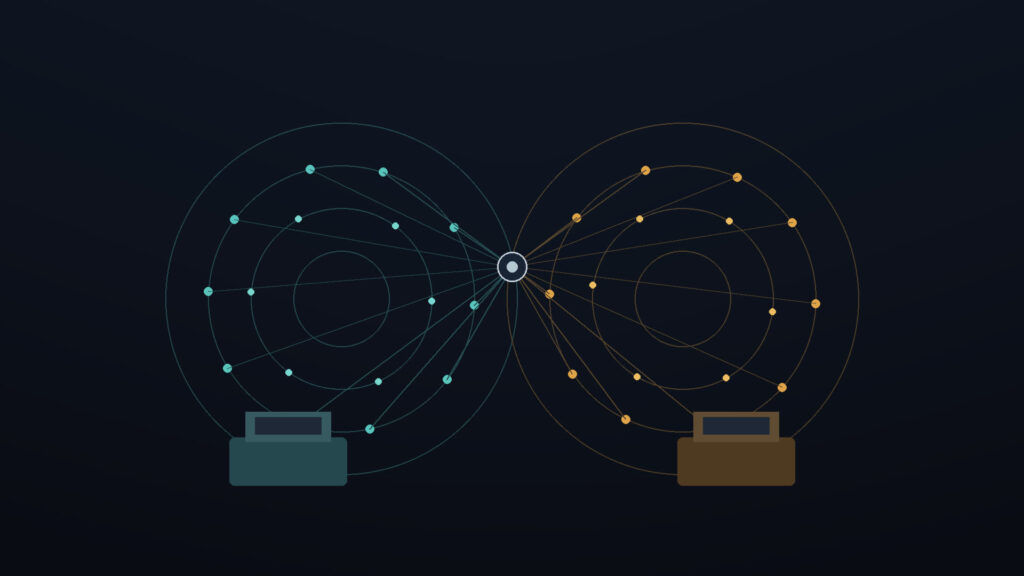
Co-managed IT services are the hybrid answer: keep your internal people, add a managed service provider (MSP) for overflow, after-hours, specialty skills, and shared tooling. This post is about how that model works for NYC businesses—and how to set it up so nobody fights over tickets.
Co-managed IT services: the hybrid model in plain English
Fully outsourced IT means the MSP runs day-to-day support end to end. Fully internal IT means your staff owns everything. Co-managed sits in the middle:
- Your internal team stays the face of IT for many users and keeps institutional knowledge
- The MSP adds monitoring, help desk overflow, after-hours coverage, and deeper engineering when needed
- Both sides share documentation, ticketing, and clear ownership rules
It is staff augmentation with structure—not a freelance “call us when you are drowning” arrangement, and not a takeover that replaces people you still want.
MicroSky’s co-managed offering is built for exactly that split: supplement your team, fill skill gaps, add coverage windows, and scale capacity without forcing a rip-and-replace. Learn more on our co-managed IT services page.
Who co-managed IT is for in NYC
Co-managed fits well when:
- You have one strong generalist (or a small team) who is overloaded but valuable
- Leadership wants 24/7 or after-hours coverage without hiring a night shift
- Projects pile up—MFA rollout, firewall refresh, new location, compliance questionnaire—while break-fix never stops
- You need specialty skills (security, Microsoft 365 tenancy hardening, networking) that you cannot keep busy full time
- Insurance, clients, or regulators expect documented monitoring and response you cannot staff alone
It is a weaker fit when leadership actually wants a full handoff, or when internal IT refuses any shared tooling. Co-managed only works if both sides agree to collaborate in the open.
What each side typically owns
Write ownership down. Ambiguity creates duplicate work and finger-pointing. A common NYC pattern:
Internal IT often keeps
- Business context and priority calls for VIP users and critical apps
- Line-of-business systems unique to your firm
- Purchasing approvals and vendor relationship decisions
- On-site presence for day-to-day walk-ups (when you have it)
- Strategy conversations with leadership about roadmaps and budgets
The MSP often adds
- Overflow help desk during peaks and vacations
- After-hours and weekend coverage with real admin access
- Monitoring alerts and first response on infrastructure
- Patch baselines, backup verification support, and security hygiene projects
- Specialty engineering for short bursts (network redesign, migrations, hardening)
- Shared documentation so coverage does not depend on one person’s memory
Your map can differ. The point is that both sides can answer “whose ticket is this?” in under a minute.
Tooling that makes co-managed work
Co-managed fails when each side lives in a private inbox. Agree on:
- One ticketing system (or a clean integration) so status is visible
- Shared documentation for networks, admin paths, vendors, and runbooks
- Aligned remote tools so either side can finish a session without retooling
- Alert routing rules so monitoring pages the right on-call without waking everyone
- Change windows everyone respects—especially for firewalls and identity changes
NYC firms often underestimate how much smoother life gets when the MSP and internal IT stop working from separate sticky notes. Shared tools are not bureaucracy; they are how you avoid 2 a.m. archaeology.
Coverage models that fit real offices
Pick a coverage pattern that matches how you staff today:
- Business-hours internal, MSP after-hours. Your team owns the day; the MSP owns nights/weekends with a documented handoff.
- Internal first line, MSP overflow. Tickets escalate to the MSP when the queue ages or skills do not match.
- MSP monitoring + joint projects. Alerts and patching are MSP-led; projects are staffed together.
- Specialty surge. MSP engineers join for defined projects (new site, security push, Microsoft 365 cleanup) then scale back.
Across Manhattan, Brooklyn, Queens, the Bronx, Staten Island, and nearby NJ, physical response still matters. Co-managed does not remove the need for someone who can reach a closet—it clarifies who that someone is on a given day.
How to start without drama
- Scope workshop (90 minutes). List systems, locations, on-call expectations, and sacred business windows (closings, court, trading, lunch rush).
- RACI for tickets and changes. Responsible / Accountable / Consulted / Informed—simple enough to print.
- Access and documentation sprint. Shared vault, diagrams, vendor contacts, backup owners.
- Pilot for 30–60 days. Overflow + after-hours first, then expand if the partnership works.
- Monthly review. Ticket volume, aging, project backlog, and any ownership friction—fix the map early.
Do not begin with a twelve-month transformation slide deck. Begin with coverage that saves your team this month.
Security and compliance without sidelining your people
Cyber insurance questionnaires and client security addenda land on NYC firms of every size. Co-managed helps when the MSP can contribute:
- MFA and identity hygiene that matches how your users actually work
- Endpoint protection and patch evidence
- Backup and restore proof
- Incident response playbooks that name who calls whom
Internal IT should stay in the loop. Security that bypasses your team creates shadow IT and resentment. Security that partners with your team sticks.
Pricing and expectations: keep it honest
Co-managed agreements should spell out:
- What is included in the monthly fee (seats, sites, after-hours, monitoring)
- What is project work (migrations, new offices, major redesigns)
- Response targets for critical vs. normal issues
- How after-hours is staffed and when on-site is billable
- How either party exits or scales down without hostage documentation
If a proposal only says “we’ll help your team,” push for numbers and boundaries. Hybrid models fail when scope is vibes.
Red flags on either side
- Internal IT refuses shared ticketing or documentation
- MSP tries to replace your team instead of supporting them
- No named account lead on the MSP side
- Monitoring exists but nobody owns the alert
- Projects start without change windows or rollback plans
Walk away from partnerships that cannot pass a simple test: can both sides explain ownership of a firewall outage at 10 p.m. without arguing?
Day-to-day collaboration between internal IT and the MSP
Co-managed IT services succeed or fail in the daily rhythm, not in the sales deck. A workable NYC cadence usually looks like this:
- Morning stand-up or shared board review for aging tickets and overnight alerts—five to fifteen minutes, not a meeting marathon.
- Clear escalation labels in the ticket (skill gap, after-hours, capacity overflow, project) so nobody guesses intent.
- One source of truth for credentials and diagrams with audit-friendly access for both sides.
- Weekly backlog grooming for projects that keep slipping behind break-fix work.
- Blameless post-incident notes after outages so both teams learn the same lessons.
Internal staff should never feel that the MSP is grading them. The MSP should never feel locked out of systems they are expected to support at night. If either feeling shows up, fix the process before it becomes culture.
For multi-site firms—say a Midtown HQ, a Brooklyn studio, and a Staten Island warehouse—add site tags to tickets and monitoring. Borough tags sound simple. They prevent the wrong technician driving to the wrong closet when remote fails.
Talk to MicroSky about co-managed IT in NYC
If you want to keep your team and still sleep through the night, bring your org chart, ticket pain points, and after-hours gaps to a call. We will map a co-managed plan that supplements—not sidelined—your people.
Call (718) 672-2177 or visit https://microskyms.com/co-managed-it-services to get started with co-managed IT services built for New York City firms.